-
Description
-
Colossal marble head, preserved in a fragmentary condition, with significant losses affecting the nose, portions of the hairstyle, the posterior part of the skull, and the nape, as well as numerous surface abrasions. The work is carved from white marble of the Aphrodisias type, identifiable through its crystalline structure and by a characteristic vacuole on the left side of the neck. The carving technique indicates that the head was intended for insertion, with a roughly worked back and extensive use of the drill in anatomical details, while the face and frontal band display a more refined surface finish.
From a formal perspective, the head is characterized by elongated and strongly idealized proportions, with an oval face, narrow eyes stretched toward the temples, a domed forehead, a nose high at the root, a small projecting mouth, and a weakly pronounced chin. The hairstyle is structured through a combination of a smooth frontal band and an applied diadem decorated with serpentine locks, while the rear hair is arranged in a dense turban-like braid. These technical and morphological features suggest that the head originally belonged to an acrolithic statue, most likely positioned against a wall and conceived to be viewed from below.
The identification of the portrait remains debated. Traditionally attributed to the empress Sabina, the idealized physiognomy has been compared with other colossal portraits from the Hadrianic period, particularly examples from Africa Proconsularis. However, the classicizing treatment and the absence of the heavier, more realistic features seen in other portraits of Sabina have led some scholars to question this attribution. The hairstyle with a diadem of serpentine locks can be dated between 121 and 128 CE, corresponding to the period of Sabina’s elevation to the title of Augusta, but it has also been proposed that the portrait represents Matidia the Younger, the empress’s sister. This hypothesis remains controversial, especially in light of the geographic distribution of the type and the political and dynastic context of the Hadrianic age.

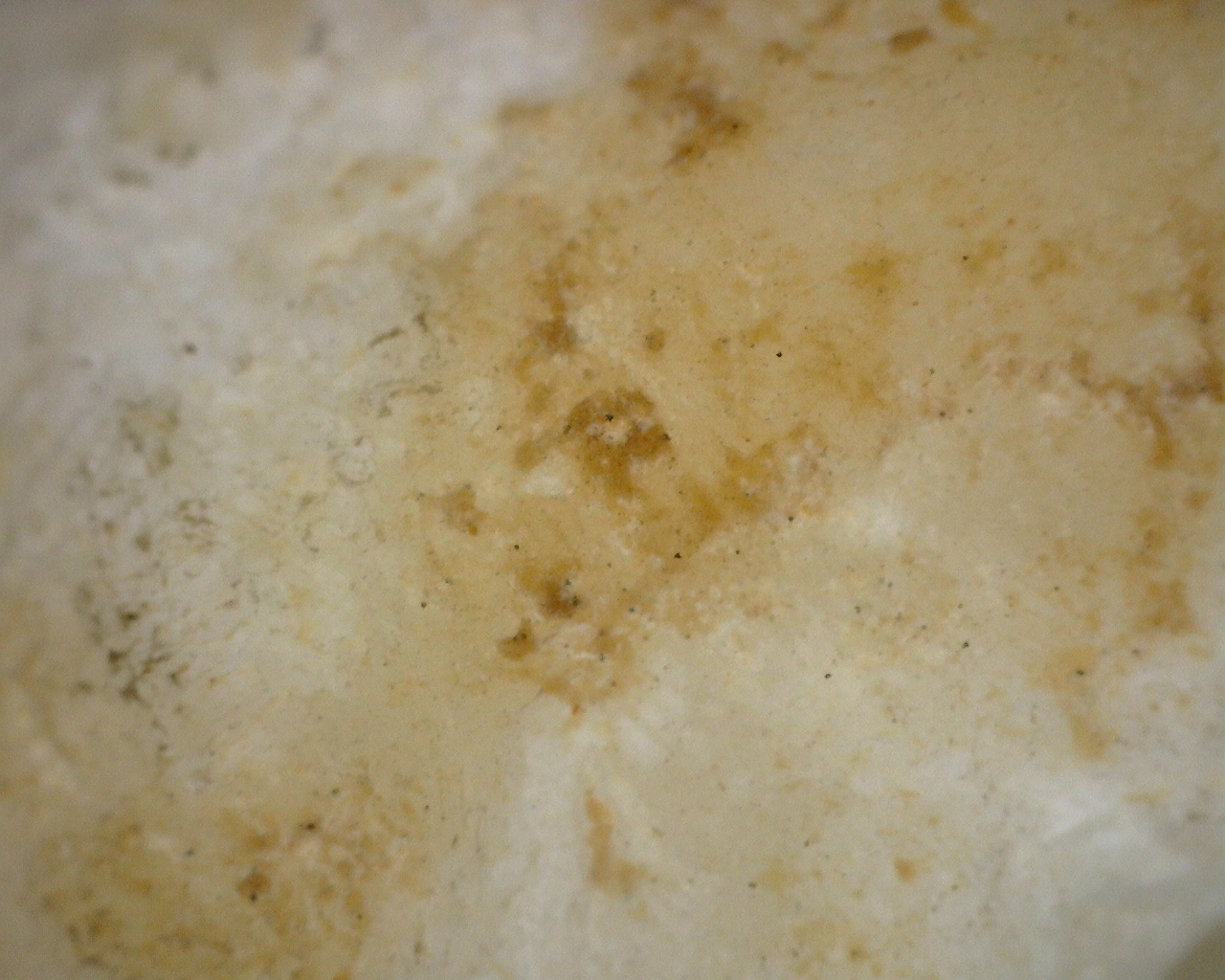
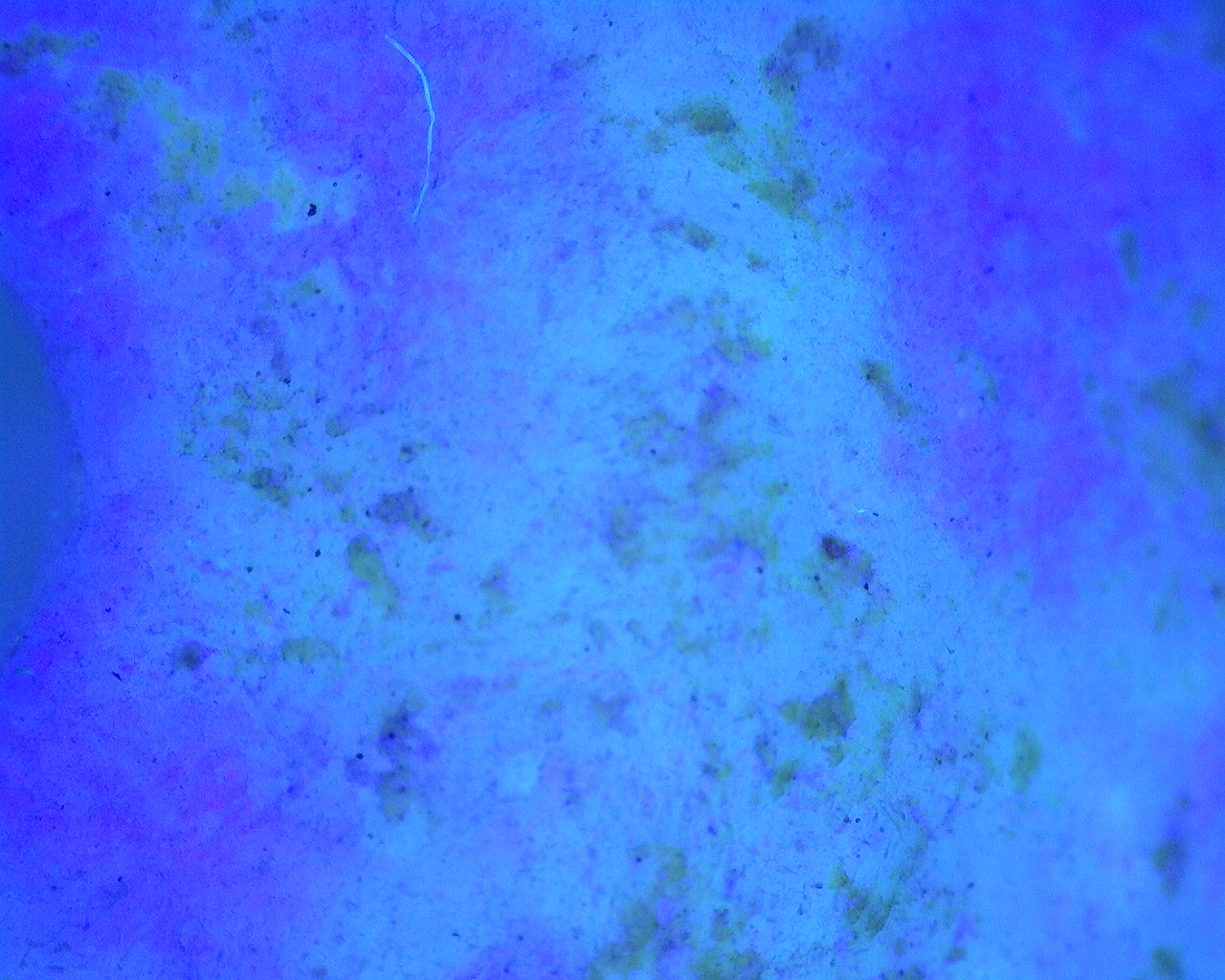
 C1346.fig.1