-
Description
-
The fragment depicts an elderly man identified as the emperor Trajan. The work is preserved in a fragmentary condition, with substantial damage to the nose, chin, and the central portion of the hairstyle, as well as evidence of tooling marks and later interventions. The head was executed using the technique of an applied cranial calotte, fixed at the rear by means of a metal dowel and hollowed on the underside. This construction strongly suggests its original use in an acrolithic context, most likely set against a wall and conceived to be viewed from below.
From a formal perspective, the portrait is characterized by compact proportions, a robust skeletal structure, and a pronounced physiognomic realism. The narrow forehead is marked by horizontal wrinkles; the brow ridges are strongly accentuated; the eyes are large and flat, framed by thin eyelids and emphasized by deep under-eye hollows. The nose is prominent, the cheekbones project forward, the cheeks are incised by nasolabial folds, and the mouth is thin. The hairstyle is rendered with a fringe of short, rather irregular locks arranged in a forked pattern along the central axis of the face, displaying stylistic affinities with Julio-Claudian models, particularly in the treatment of the temples.
From a typological standpoint, the work has been compared with portraits preserved in the Louvre and at Mariemont, which are regarded as replicas of the same portrait type, conventionally designated as the “Paris 1250–Mariemont” type, and distinguished from both the accession type and the Decennalia type. The Bardo portrait is interpreted as a provincial replica of this model, owing to its less refined execution, yet one that is consistent with other African examples. The chronology of the type remains a matter of scholarly debate: while some authors propose a date after 107 CE, others argue for its continued production until the emperor’s death in 118 CE. In light of its state of preservation, the portrait is cautiously dated between 108 and 118 CE, corresponding to a mature phase of Trajanic portraiture.

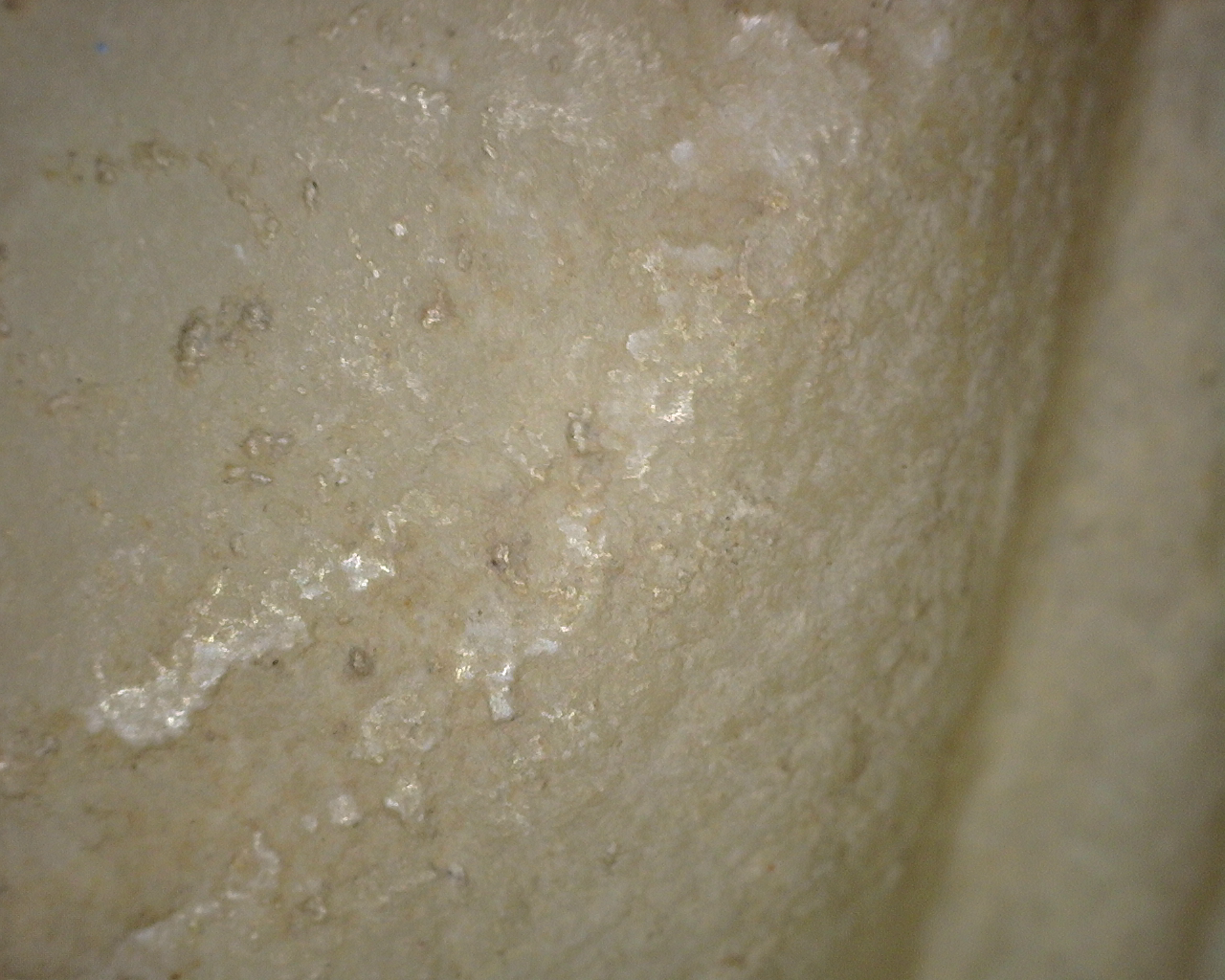
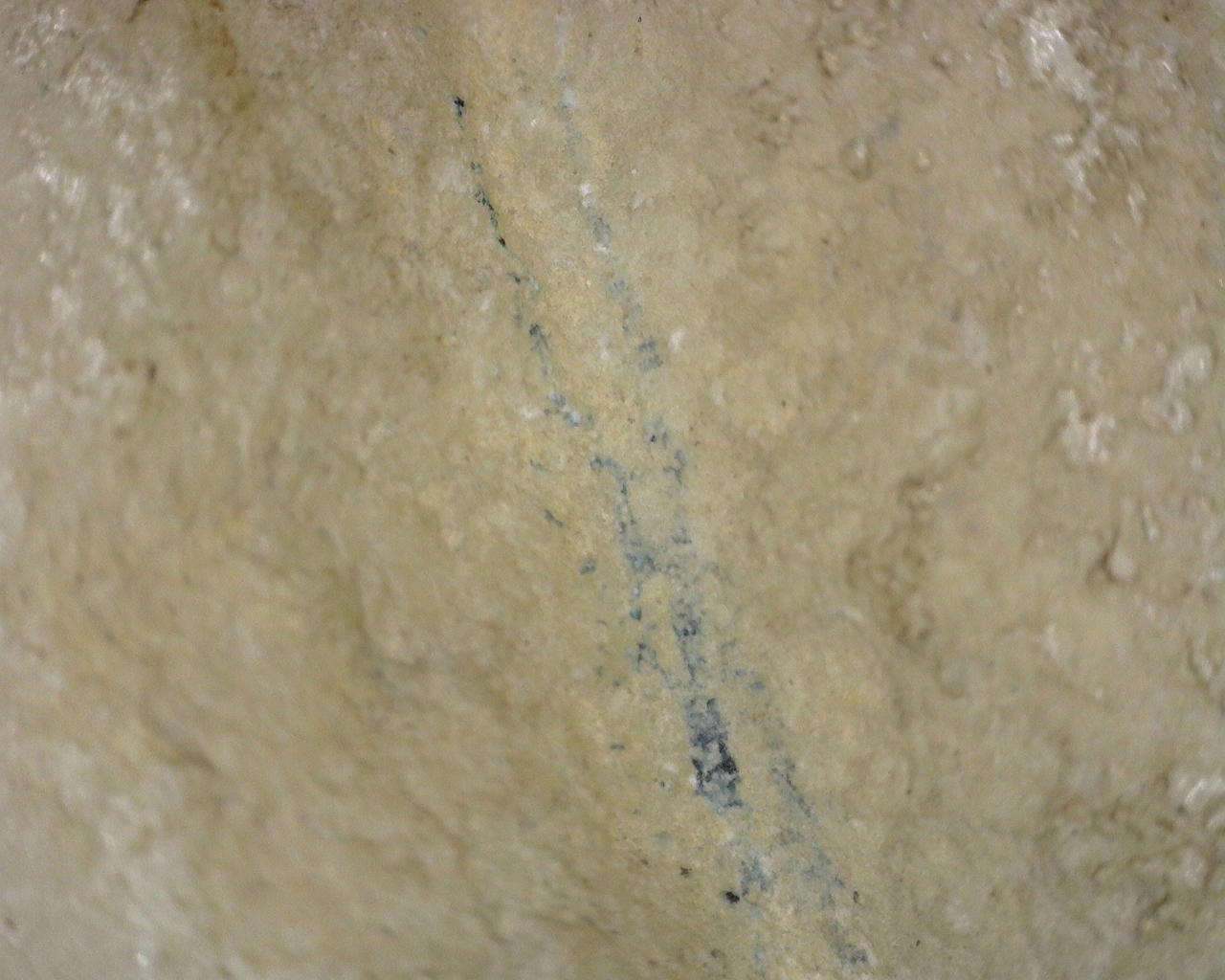
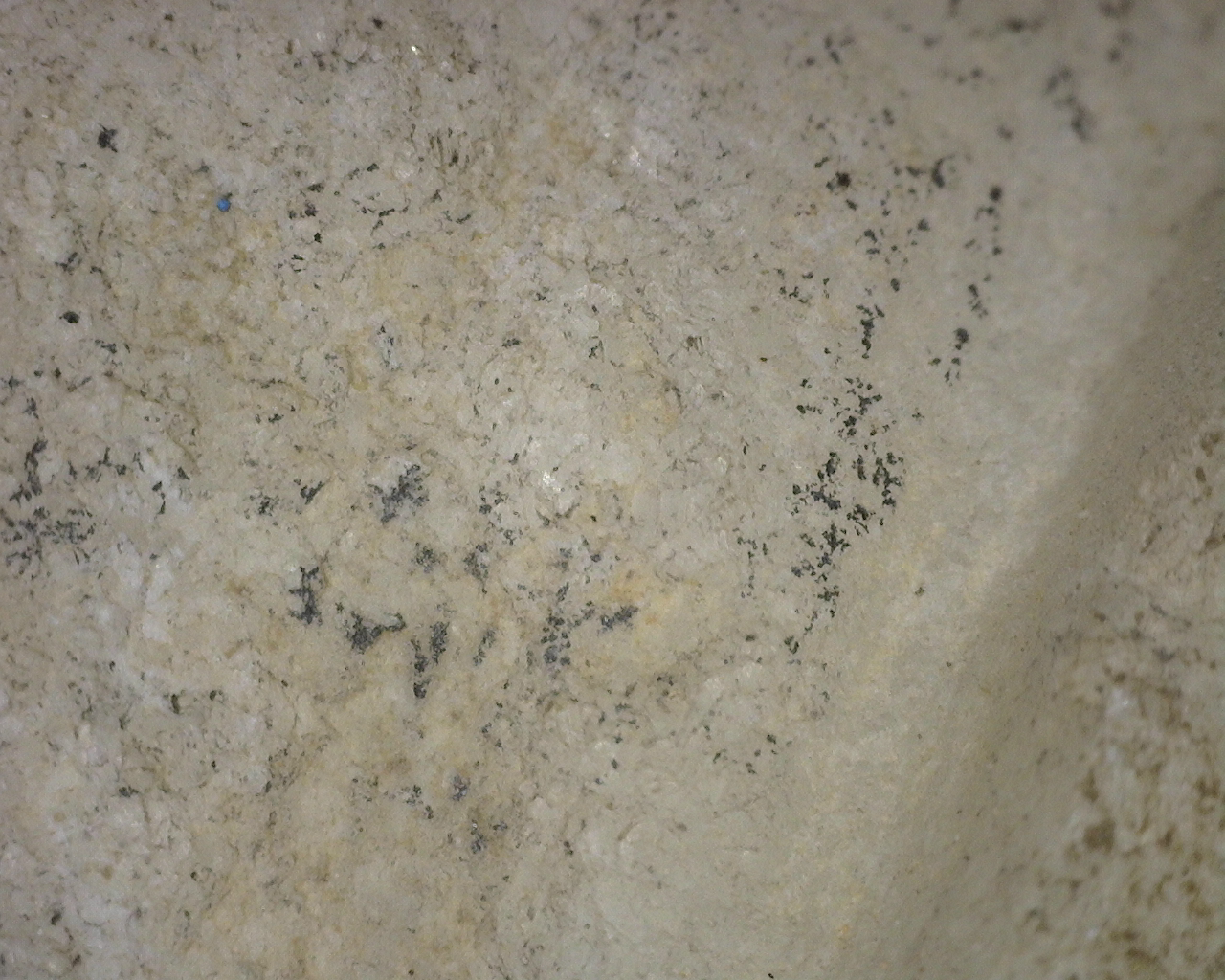
 inv.3157.fig.1